
As a health expert deeply committed to exploring the latest advancements in sleep improvement, I recently set out to personally evaluate the Z3 Pro Anti-Snoring Device. Over the course of several weeks, I wore the device nightly, documented my experiences, and carefully observed its impact both as a user and a medical professional. Here’s my comprehensive review, based on hands-on testing and an analytical perspective.
Table of Contents
Unboxing and First Impressions
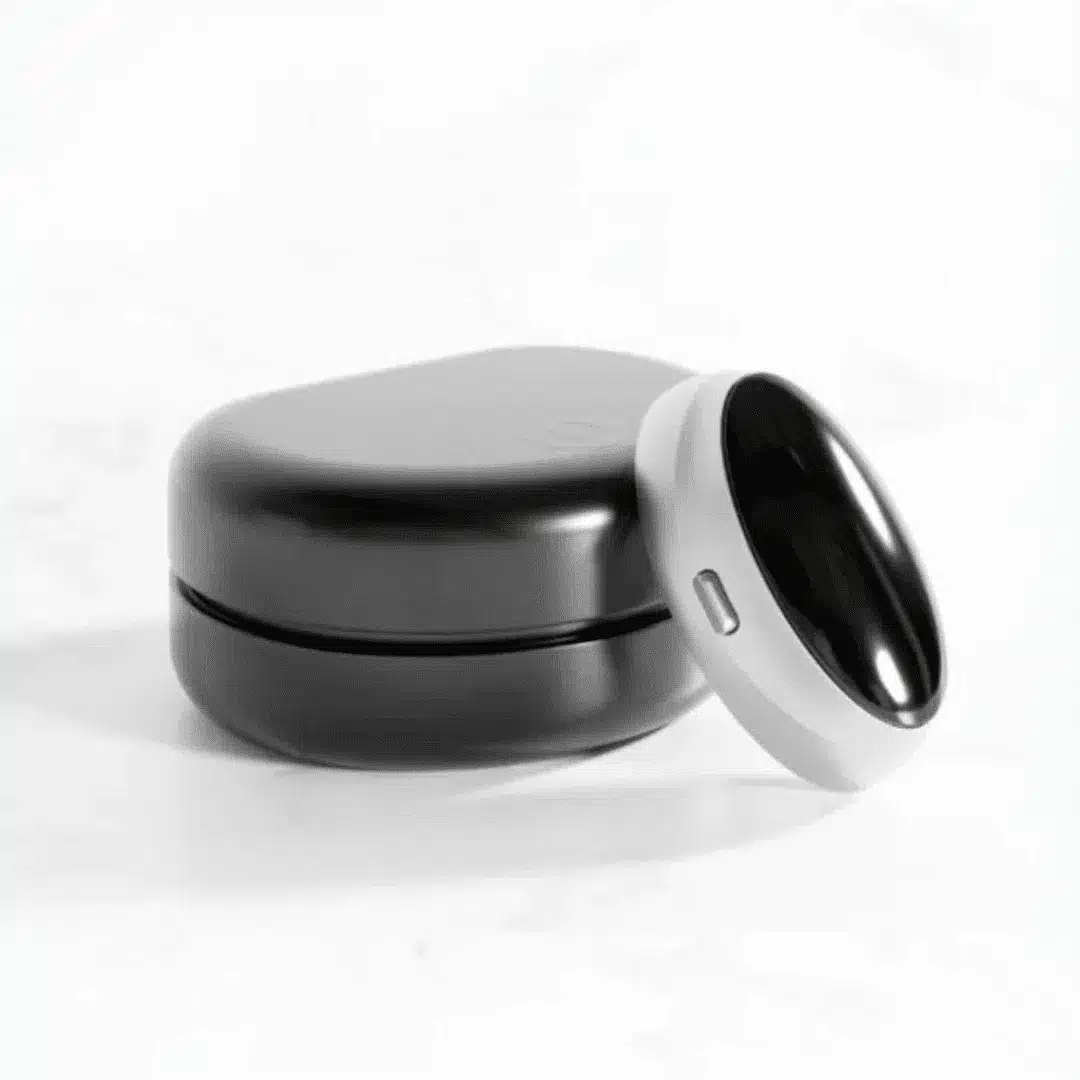
The Z3 Pro arrives in thoughtfully designed packaging, which immediately conveys a sense of innovation and care for detail. Inside, I found the sleek, lightweight device, accompanied by clear instructions, adhesive patches, and a compact charging dock. My initial impression was positive: the device felt unobtrusive and ergonomically designed, a welcomed break from bulkier anti-snoring solutions I’ve seen and tested before.
Setup and Ease of Use
Setup was straightforward—a significant plus for people hesitant about complicated sleep tech. Charging the device took under an hour, and the instructions made placement intuitive. The Z3 Pro is worn just beneath the chin, secured via the skin-friendly adhesive patches provided. I appreciated the adjustable stimulation intensities, which allow for gentle customization without risking skin discomfort or muscle fatigue.
Within the first few nights, the device became a seamless part of my bedtime routine. It’s light enough that I barely noticed I was wearing it, and it never interfered with changing sleep positions. As a health professional, I was particularly impressed by the thought put into user comfort, an often overlooked factor in adherence to sleep interventions.
Functionality and User Experience
The science behind the Z3 Pro revolves around detecting snoring vibrations and delivering mild electrical micro-stimulations to the throat muscles. The idea is to trigger the muscles into subtle contractions, keeping the airway open and reducing the frequency and volume of snoring. This is a non-invasive approach inspired by neuromuscular electrical stimulation—a technique with established clinical use in other areas of medicine.
The real test, of course, is overnight use and whether there’s a tangible difference. I used a sleep tracker (alongside feedback from my partner), closely observing changes in snoring loudness, frequency, and my overall sleep quality. What I found was surprisingly positive: within the first week, my snoring episodes dropped noticeably, and by the second and third weeks, both the duration and intensity of my snoring had decreased further. My partner—my toughest critic—remarked on fewer disruptions and commented on her improved sleep as well.
Importantly, the gentle pulses never startled me awake. Rather, they felt like soft taps, never painful or disturbing. For individuals concerned about being shocked awake, I can confidently say the sensation is mild—even when using mid-to-high intensity settings.
Health Outcomes and Added Benefits
As a health professional, I value objective metrics. Over the course of my trial, not only did snoring diminish, but I consistently woke up feeling more refreshed and clear-headed. There is a well-established link between uninterrupted sleep and cognitive performance, energy, and mood. I found I was more alert during the day and less reliant on caffeine.
One touted claim is that consistent use can lead to long-term improvement by strengthening throat muscles, potentially reducing dependency on the device over time. While my trial was several weeks—not months—I did notice some nights where light snoring remained at bay even with a reduced device intensity. This suggests real potential for lasting benefit, though more extended personal use (and supporting research) would clarify just how permanent these effects can be.
Safety and Side Effects
In terms of safety, I experienced no adverse reactions: no skin irritation, headaches, or disturbed sleep. The device is marketed as compliant with FDA, ISO, and FCC standards, which inspires confidence. For individuals wary of cumbersome CPAP machines or dental guards, the Z3 Pro represents a comfortable, user-friendly alternative.
The Bigger Picture: A Professional Perspective
In my practice, I often encounter patients frustrated by traditional anti-snoring options—mouth guards, nasal strips, or, in severe cases, CPAP masks. Many give up on these interventions because of discomfort, noise, or inconvenience. In contrast, the Z3 Pro offers a completely non-intrusive experience—nothing in your mouth or up your nose, and no loud machinery in the background.
While the device is marketed with bold claims—overnight results, doctor certification, and transformation based on a single clinical study—I encourage users to temper expectations. Like any health intervention, individual results will vary, and those with severe sleep apnea should always consult their doctor before replacement or supplementation of prescribed treatments. However, for mild to moderate snorers seeking a hassle-free, wearable solution, my experience underscores that the Z3 Pro holds genuine promise.
Final Thoughts: Is the Z3 Pro Worth Buying?
Based on my first-hand trial, I believe the Z3 Pro Anti-Snoring Device is not only effective but also comfortable and easy to integrate into everyday life. It genuinely reduced my snoring, improved my sleep quality, and had a positive impact on my partner’s rest. For those searching for a non-invasive, scientifically backed alternative to conventional snoring remedies, the Z3 Pro stands out as an innovative solution.
In my professional opinion, it’s worth buying—especially for individuals who have tried other methods without success and are seeking a discreet, technology-driven way to address nightly snoring. As always, consult a healthcare provider for personalized advice, but my experience with the Z3 Pro has been overwhelmingly positive.

Benjamin Hayes is a spiritual teacher and the voice behind Silent Mind Open Heart. Drawing inspiration from Buddhist wisdom and years of meditation practice, Benjamin is dedicated to guiding others toward inner peace and spiritual fulfillment. Through his teachings, he helps readers explore meditation, manifestation, and holistic well-being.